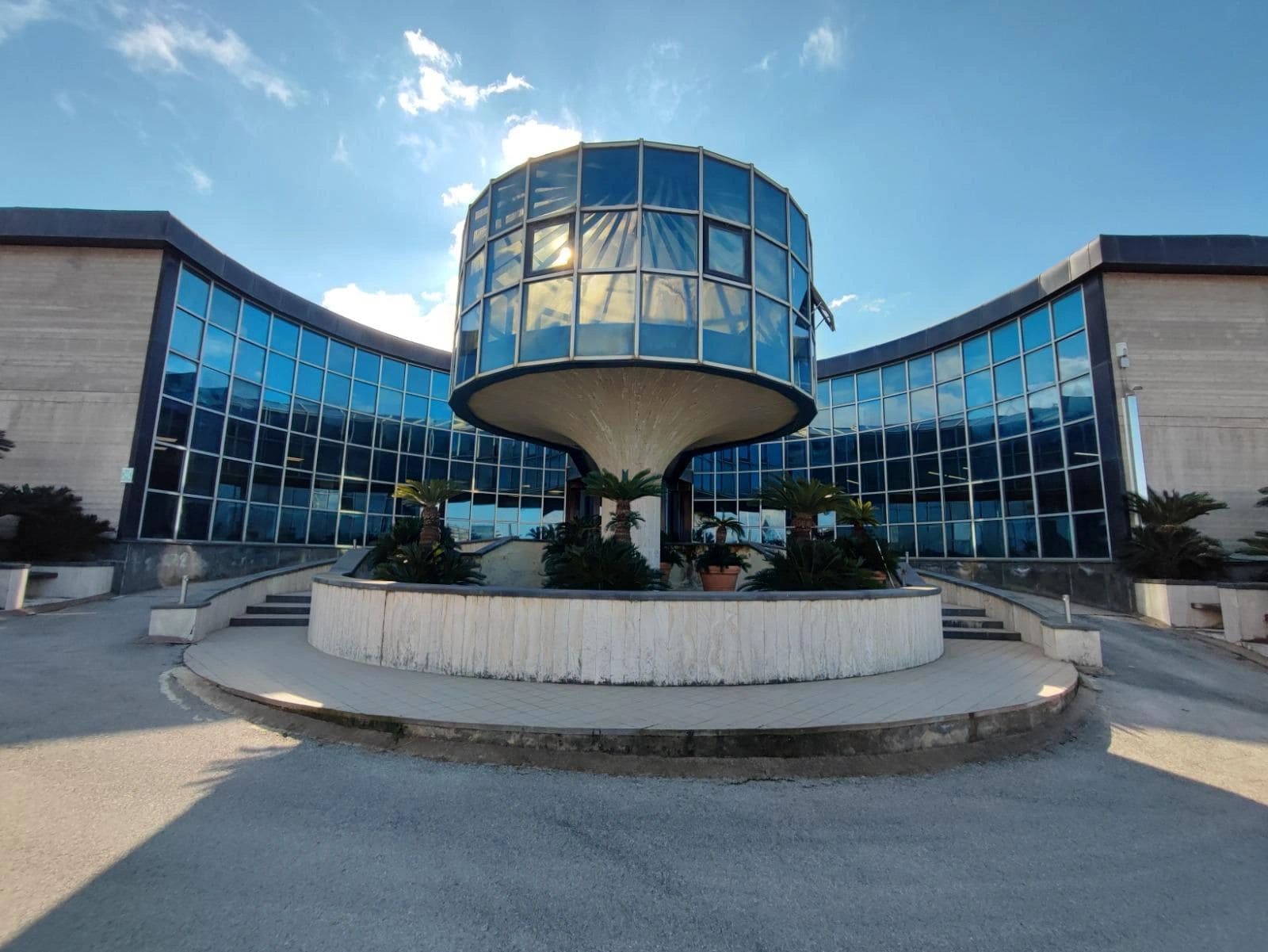
The rise of glass-fronted buildings in modern architecture
Contemporary architecture has made glass one of its key materials. Glass-fronted buildings are increasingly dominating the urban landscape thanks to their ability to create bright, modern spaces that are visually connected to their surroundings. Corporate offices, hotels, designer homes and institutional buildings are opting for large glass surfaces that combine aesthetics, functionality and energy efficiency.
This trend responds both to architectural considerations and to new needs relating to well-being, energy savings and sustainability. The quest for more efficient buildings has driven the development of advanced glass technologies and complementary solutions capable of significantly improving the thermal performance of buildings.

Aesthetic and natural lighting benefits
One of the main attractions of glazed buildings is their ability to maximise the amount of natural light entering the space. Interior spaces feel more spacious, comfortable and pleasant, whilst also boosting productivity in offices and enhancing well-being in homes.
The transparency of the glass also creates a visual connection with the outside world, fostering a sense of continuity between the interior and the urban or natural surroundings. From an aesthetic point of view, glazed façades offer an elegant, minimalist and contemporary look that is highly valued in today’s architecture.
Furthermore, making better use of natural light helps to reduce the use of artificial lighting during the day, which can lead to lower energy consumption.
Trends in architectural design
New architectural trends are moving towards buildings that are more sustainable, efficient and environmentally friendly. In this context, glass has evolved far beyond its traditional role as a decorative or enclosing element.
Solar control solutions are now used to optimise a building’s thermal performance without compromising on design. The incorporation of energy-efficient technologies into glazed surfaces helps reduce the demand for air conditioning and improves indoor comfort all year round.

Examples of use in sustainable offices and homes
Office buildings are one of the best examples of the rise in popularity of glazed façades. Large corporations and modern workspaces prioritise natural light and open spaces to create healthier and more efficient environments.
In the residential sector, sustainable homes also incorporate large glass surfaces to improve natural lighting and reduce energy consumption. Contemporary houses, apartment blocks and passive houses use glazed enclosures combined with sun protection systems to control the indoor temperature.
In both cases, the aim is to strike a balance between design, comfort and energy efficiency, whilst avoiding problems associated with excessive solar radiation.
Challenges facing buildings with large glazed areas
Although glazed buildings offer numerous advantages, they also present significant challenges relating to energy efficiency and thermal comfort.
One of the main problems is interior overheating caused by solar radiation, particularly in hot climates or during the summer months. Glazed surfaces can create a greenhouse effect that significantly raises the interior temperature and necessitates greater use of air conditioning.
There are also challenges related to:
- Glare in interior spaces, which causes eye strain, discomfort when using monitors and reduced productivity.
- Increased energy consumption due to excessive air conditioning.
- Lack of privacy in certain spaces.
- Deterioration of interior furnishings due to prolonged exposure to UV rays.


To minimise these problems, more and more buildings are incorporating advanced solar control solutions such as Solarcheck’s building films, designed to improve the energy performance of glazing without the need for disruptive building work and without interrupting the building’s operations.
Thanks to their technology, these films are capable of rejecting up to 91% of the solar energy that causes heat, significantly reducing heat gain indoors and improving comfort all year round.
Solutions to improve the performance of glazed buildings
Improving energy efficiency in buildings with large glass surfaces involves combining architectural design with specialised solar control technologies.
Solar control films for buildings reduce heat gain, control glare and block over 99% of UV radiation. These types of solutions improve indoor comfort and help reduce energy consumption associated with air conditioning from the moment they are installed.
At Solarcheck, we develop advanced solar protection and energy efficiency solutions to optimise the performance of glazed façades in offices, hospitals, universities, shopping centres, museums and all types of buildings. Our films incorporate high-quality technologies and hold an Environmental Product Declaration (EPD), certifying their contribution to reducing emissions throughout their entire lifespan.
Another common alternative is the use of technical curtains and blinds, which allow the amount of light and heat entering a space to be adjusted according to its specific needs.
Investing in sun protection solutions not only improves the comfort and energy efficiency of a building, but also helps to create more sustainable, safe and comfortable spaces for people.